Real cost of regular house cleaning in Catford
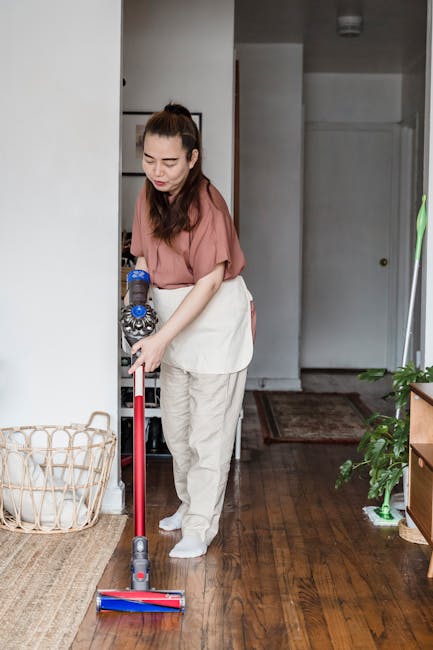
If you are trying to work out the real cost of regular house cleaning in Catford, you are probably past the "quick guess" stage. You want a proper answer. Not a vague from-price line, not a sales pitch, just a realistic view of what ongoing cleaning actually costs, what drives the price up or down, and where the hidden value sits.
That matters because regular home cleaning is one of those services people think they can estimate in two seconds, then suddenly the bill looks different once the size of the property, the frequency, and the condition of the home are factored in. Truth be told, it is rarely just about time. It is about access, standards, consistency, and the kind of result you want every week or fortnight.
In this guide, we will break down the cost structure in plain English, explain the common pricing models, compare options, and show you how to judge whether a quote is fair. You will also get a checklist and a realistic example so you can make a better decision without the usual guesswork.
- Why real cost matters
- How regular house cleaning pricing works
- Benefits beyond the price tag
- Who regular cleaning suits best
- How to assess your own cost
- Expert tips for better value
- Mistakes that quietly raise costs
- Tools and practical resources
- Compliance and best practice
- Cleaning options compared
- Real-world example
- Cost-check checklist
- Conclusion
- Frequently asked questions
Why Real cost of regular house cleaning in Catford Matters
The real cost of regular house cleaning in Catford matters because a low headline price can be misleading. A cheap quote may look attractive at first, but if it only covers a narrow set of tasks, excludes supplies, or assumes a very light clean, you may end up paying more later for add-ons or catch-up work.
On the other hand, a slightly higher fee can be better value if it gives you a consistently cleaner home, fewer emergencies, and less time lost to chores. That is the bit people often miss. You are not only paying for mopping and dusting. You are paying for time back, lower stress, and a home that feels easier to live in.
In Catford, that can be especially relevant for busy households, commuters, families juggling school runs, and people working from home. A cleaner kitchen on a Friday afternoon can genuinely change the tone of the weekend. Sounds small. It isn't, really.
The other reason it matters is budgeting. If you know the true cost structure, you can plan properly rather than treating cleaning as an occasional scramble. That gives you a much better chance of choosing a service that fits your home and your routine instead of constantly reacting to mess.
How Real cost of regular house cleaning in Catford Works
Regular house cleaning is usually priced using one of three approaches: hourly, per visit, or as a recurring service package. Each method has its own logic, and the "best" one depends on how predictable your home is.
Hourly pricing is straightforward. You pay for the cleaner's time, and the final cost depends on how long the job takes. This works well if your home needs variable attention from week to week, but it can be hard to forecast if you want a fixed monthly budget.
Per-visit pricing means the provider estimates the job based on your property and builds a set price for each clean. That gives you clearer budgeting, but the initial assessment matters a lot. If the cleaner underestimates the workload, you may see a price change later.
Recurring service pricing often offers better value for weekly or fortnightly cleaning because regular upkeep keeps the job manageable. A home that is cleaned every week usually needs less time than one cleaned once a month. That is simple enough, but it makes a big difference in practice.
Several factors affect the final figure:
- Property size and layout
- Number of bathrooms and kitchens
- How much tidying is needed before cleaning begins
- Frequency of visits
- Whether cleaning products and equipment are included
- Special requests such as ovens, windows, or upholstery
- Parking, access, stairs, or entry restrictions
That last point catches people out. A third-floor flat with awkward access is not the same as a ground-floor maisonette, even if both are "two-bedroom homes". The cleaner still has to work in the real space, not the brochure version.
If you are comparing providers, it helps to look beyond the headline and check what is actually included in the pricing and quotes information. A quote that is transparent from the start usually saves everyone time.
Key Benefits and Practical Advantages
People usually think about house cleaning as a cost. Fair enough. But in real life, it often saves money or reduces avoidable hassle in ways that do not show up immediately on an invoice.
1. Better maintenance of surfaces and fixtures
Regular dusting, bathroom cleaning, and kitchen upkeep can slow down the grime build-up that makes future cleans harder. That does not mean cleaning stops wear and tear entirely, but it can help you avoid the "everything is suddenly awful" moment.
2. Less need for expensive catch-up cleans
If your home is cleaned regularly, you may need fewer deep cleans and fewer emergency appointments before guests, moving days, or family visits. That is a useful advantage, especially if life gets busy and you do not want a full-day scramble before people arrive.
3. More predictable spending
A regular domestic cleaning routine makes household budgeting much easier. You know what is likely to leave the account each month, and that removes a bit of mental clutter. Not glamorous, but genuinely helpful.
4. Cleaner living conditions without the weekend drain
Let's face it, many people can clean. The issue is time and energy. A regular service gives you back those Saturday hours you would otherwise spend on the bathroom sink and skirting boards. There are more enjoyable things to do, frankly.
5. Easier planning for extras
Once a standard clean is in place, you can add one-off tasks when needed rather than relying on them all the time. That can include oven cleaning, window cleaning, or carpet cleaning if the home needs a more thorough refresh.
Expert summary: the real cost is not just what you pay on cleaning day. It is the combined cost of time, frequency, access, scope, and the standard you expect. Once you look at those together, the "cheap" option is not always the cheaper one.
Who This Is For and When It Makes Sense
Regular house cleaning makes the most sense for people whose homes generate steady day-to-day mess and who would rather prevent build-up than deal with a big clean later.
You may find it especially useful if you are:
- a busy professional with long working days
- a family with children, pets, or both
- an older resident who wants to reduce physical strain
- a tenant or homeowner who values a consistently tidy space
- someone who works from home and needs the house to feel calm, not cluttered
- a person who wants help keeping on top of bathrooms, kitchens, and floors
It also makes sense if you have a home that looks neat on the surface but gathers dust in hard-to-see places. Those homes can lull you into thinking they are easy to maintain, then the corners, behind appliances, and around taps tell a different story.
For some people, a regular clean is better than a deep clean because it protects routine. For others, the starting point is a one-off clean first, followed by a regular plan once the home is under control. Both routes can work. The right answer depends on where you are now, not where you wish the house was.
If your home has carpets, soft furnishings, or hard floors that need more than a surface wipe, it may also be worth looking at related services such as upholstery cleaning, sofa cleaning, or hard floor cleaning as part of a wider maintenance plan.
Step-by-Step Guidance
If you want to estimate the real cost properly, follow a simple process rather than guessing based on the number of rooms.
- List the rooms and tasks. Include bedrooms, bathrooms, kitchen, hallway, and living areas. Then note what you actually want done: dusting, vacuuming, mopping, bathroom sanitising, wiping surfaces, and so on.
- Identify the frequency. Weekly, fortnightly, or monthly cleaning all produce different costs. Weekly cleans are often quicker per visit because the build-up is lower.
- Decide what is essential and what is optional. For example, you may want bathroom and kitchen focus every visit, but windows only occasionally.
- Check whether supplies are included. Some cleaners bring everything; others expect the household to provide certain products. That detail changes the true price.
- Think about access and practicality. Narrow stairs, limited parking, time restrictions, pets, keys, alarms, or entry codes can all affect the job.
- Ask for a written quote or clear estimate. The most useful quote is specific, not fluffy. It should say what is included and what would cost extra.
- Review after the first clean. A good regular-cleaning arrangement gets easier over time, not harder. If it does not, something may need adjusting.
A practical way to think about it is this: the cleaner's work should become more efficient as the routine settles. If every visit feels like a rescue mission, the schedule or scope may be wrong.
Expert Tips for Better Results
In our experience, the people who feel happiest about recurring cleaning are usually the ones who set expectations early and keep the arrangement simple.
Keep the brief realistic. If you want a polished result every time, say so. If you mainly want bathrooms, kitchen surfaces, floors, and dust control, say that too. A clear brief prevents disappointment later.
Separate "regular" from "deep". They are not the same service. Regular cleaning keeps the home presentable and hygienic; deep cleaning tackles built-up grime, awkward corners, and heavy accumulation. Mixing the two can make the quote look odd, and nobody enjoys that awkward conversation.
Use recurring cleaning to your advantage. Once the first visit is done, the second and third are usually smoother. That can improve value because the cleaner is not fighting old buildup every single time.
Book extra tasks at the right interval. Not every week needs every job. A better model is to keep the core clean stable, then rotate extras such as oven work, carpets, or windows as needed. That way you are not paying for everything all the time.
Choose flexibility over false savings. A slightly cheaper service that constantly misses basics is not actually cheap. You may end up correcting things yourself, and that is time you will not get back. Annoying, but true.
You can also check whether the provider explains payments clearly in relation to their payment and security information, and whether they set out service expectations in their terms and conditions.
Common Mistakes to Avoid
People rarely overspend on house cleaning because they wanted to. More often, the problem is a misunderstanding in the quote or an unrealistic expectation about what a regular clean should cover.
- Choosing only by the lowest price. The cheapest quote may exclude too much or assume a cleaner home than you actually have.
- Not defining the scope. If the brief is vague, the result will be vague too.
- Forgetting frequency. A monthly clean is not priced like a weekly tidy-up. The workload changes.
- Ignoring add-ons. Windows, ovens, deep bathroom work, and carpet care can all change the total.
- Assuming all cleaners provide products. Do not assume. Ask.
- Leaving prep until the cleaner arrives. A house full of loose clutter costs time. That time costs money.
- Skipping a review after the first visit. If something is not right, say so early. Small adjustments are easier than fixing a long-running mismatch.
There is also the awkward but important issue of trust. If someone is entering your home regularly, you want clear communication and a proper professional approach. That is where service standards, insurance, and complaint handling become more than just paperwork.
It helps to check whether a company explains its insurance and safety approach and how it handles concerns through its complaints procedure. Nobody wants to think about problems, but it is better to know the process beforehand.
Tools, Resources and Recommendations
You do not need a huge kit to make regular cleaning work well, but a few basics help keep things efficient.
- A simple room-by-room checklist so nothing gets missed during the first assessment
- A note of priority areas such as bathrooms, kitchen sink areas, or pet spaces
- A place to track recurring extras like carpet refreshes or oven cleaning
- Storage for cleaning products if the arrangement expects the household to supply them
- A realistic schedule that fits around work, school runs, and delivery days
If your home has a mix of surfaces, it can be useful to combine general domestic cleaning with occasional specialist work. For instance, a weekly cleaner might keep the basics under control while a separate deep clean or one-off cleaning appointment takes care of the more stubborn jobs.
Likewise, properties with lots of carpeted areas may need a periodic visit from a carpet cleaner or carpet specialist, especially where foot traffic is heavy. The same logic applies to furniture that gathers dust and odours over time.
If you want a broader service overview from the same provider, you can also review domestic cleaning, house cleaning, and home cleaners pages to see how recurring work is usually described and packaged.
Law, Compliance, Standards, or Best Practice
For regular house cleaning, the most relevant compliance points are usually practical rather than dramatic. You want a service that treats your home responsibly, communicates clearly, and follows sensible safety and privacy practices.
In the UK, households generally look for cleaners who work in line with normal professional standards: clear pricing, agreed scope, appropriate insurance, safe use of products, and respectful handling of keys and access. Those are not fancy extras. They are basic expectations.
It is also sensible to think about:
- Health and safety when using detergents, ladders, or equipment around children and pets
- Payment clarity so recurring charges, amendments, and cancellations are understood in advance
- Privacy because a cleaner may see personal belongings, documents, or family routines
- Insurance in case accidental damage happens during a visit
- Service terms so everyone knows what happens if access is blocked or the home is not ready
If a provider explains these things openly, that is a good sign. It shows they are not just chasing bookings; they are trying to run a proper service. You can usually get a feel for that by reviewing pages such as about the company and its public policy pages like health and safety policy and privacy policy.
Best practice also means being realistic about what regular cleaning can do. It keeps things orderly, hygienic, and under control. It does not magically replace deep cleaning forever. That is just life. Dust wins eventually unless you stay on top of it.
Options, Methods, or Comparison Table
Here is a simple comparison of the most common ways people handle house cleaning costs. This is not about finding a universal winner. It is about matching the method to the home and the budget.
| Option | Best for | Strengths | Trade-offs |
|---|---|---|---|
| Weekly regular cleaning | Busy households, families, people who want consistency | Lower build-up, smoother visits, easier routine | Higher total monthly spend than less frequent visits |
| Fortnightly cleaning | Homes that stay fairly tidy between visits | Good balance of cost and upkeep | Can need a little more effort than weekly cleaning |
| Monthly cleaning | Lower-traffic homes or people who do daily tidying themselves | Lower recurring spend | More build-up, longer visits, less consistency |
| One-off deep clean | Homes needing a reset before starting a routine | Strong visible impact | Higher once-off cost; not ideal as a maintenance plan |
If your home has a few problem areas rather than whole-house build-up, a hybrid approach can work well. For example, regular cleaning for the main rooms, with periodic specialist help for the kitchen, carpets, or furniture. That's often the most sensible route, to be fair.
Case Study or Real-World Example
Imagine a two-bedroom flat in Catford occupied by a couple who both work full time. The place is tidy enough, but by Friday the kitchen sink is marked, the bathroom needs attention, and fine dust gathers on shelves and skirting. Nothing dramatic, just the ordinary grind of everyday living.
They start with a detailed regular cleaning arrangement rather than a one-off rescue clean. The first visit takes longer because the home needs a reset. After that, the visits become more efficient because the cleaner is maintaining standards rather than fighting a backlog.
Then, every few months, they add an extra task such as window cleaning or sofa care. That means the ongoing cost stays predictable, but the property does not drift into that "why does everything suddenly look tired?" stage. Small difference, big feeling.
What changed for them was not only the cleanliness of the home. It was the predictability. They knew what they were paying for, when it would happen, and what level of finish to expect. That is the real value many people are looking for, even if they phrase it as "just tell me the price".
Practical Checklist
Use this before booking or renewing any regular house cleaning arrangement in Catford.
- Have I listed the rooms that need regular attention?
- Do I know whether I want weekly, fortnightly, or monthly visits?
- Have I separated routine cleaning from one-off deep cleaning tasks?
- Do I understand what is included in the quoted price?
- Are supplies and equipment included?
- Have I checked for extra charges linked to access, parking, or special requests?
- Do I know how the company handles payments, cancellations, and complaints?
- Have I considered specialist services such as carpets, upholstery, or ovens?
- Is there a clear way to review the first clean and adjust the plan if needed?
- Does the service feel practical for my actual lifestyle, not an ideal version of it?
If you can tick most of those off, you are in a much stronger position to judge value instead of just scanning a price and hoping for the best.
Get a free quote today and see how much you can save.
Conclusion
The real cost of regular house cleaning in Catford is not just the number on the invoice. It is the mix of frequency, scope, access, supply arrangements, and the standard you actually need at home. Once you look at it that way, the best choice becomes much clearer.
A good regular cleaning arrangement should feel steady, sensible, and low-drama. It should reduce stress, keep the home easier to manage, and give you back a little time each week. That's the goal, really. Not perfection. Just a home that feels under control and easier to live in.
If you are comparing options now, start with the basics: what you need, how often you need it, and what the quote truly covers. The right service is the one that fits your life without making everything feel like admin. And honestly, that alone is worth a lot.
Frequently Asked Questions
What is the real cost of regular house cleaning in Catford?
The real cost depends on the size of your home, how often you want cleaning, what tasks are included, and whether supplies or specialist work are part of the visit. The headline price is only the starting point.
Is weekly cleaning better value than monthly cleaning?
Often, yes. Weekly cleaning usually keeps build-up low, so each visit takes less time and the home stays easier to manage. Monthly cleaning may look cheaper per visit, but the work can be heavier.
Do cleaners usually bring their own products?
Sometimes they do, sometimes they do not. It varies by provider and by service level, so it is best to ask directly rather than assume. That one detail can affect the final price.
Why do two similar homes get different quotes?
Because "similar" on paper can mean very different jobs in reality. Access, clutter, bathroom count, floor type, pet hair, and expected standards can all change the workload.
Can I get a lower price if I only want certain rooms cleaned?
Usually, yes. Many providers can tailor the service to focus on high-priority rooms such as kitchens and bathrooms, which can reduce the time and overall cost.
Is a deep clean the same as regular house cleaning?
No. Regular cleaning is for maintenance and ongoing upkeep. Deep cleaning is more detailed and usually addresses heavier build-up, awkward areas, and harder-to-reach grime.
How can I avoid paying for extras I do not need?
Be specific from the start. List the core tasks, identify optional extras, and ask for a quote that separates standard cleaning from add-ons. Clear wording helps more than people expect.
What should I check before booking a cleaner in Catford?
Check what is included, how often the clean will happen, whether products are supplied, how access will work, and whether the provider explains payment, safety, and complaint procedures clearly.
Do carpets, sofas, or ovens affect regular cleaning costs?
They can, especially if you want them included as part of the routine or added on regularly. Specialist items usually need separate time or separate services such as carpet cleaning, sofa cleaning, or oven cleaning.
What if my home gets messy between visits?
That is normal. Life happens. If the home is regularly getting much messier than expected, you may need a different frequency, a clearer cleaning brief, or a one-off reset first.
Is it worth paying a bit more for a better cleaning company?
Often it is. A provider with clear communication, steady quality, and sensible policies can save you time, hassle, and repeat problems. Cheap is only cheap if it actually does the job.
Where can I compare cleaning options before I decide?
It helps to review the provider's domestic and house cleaning information, then look at related services such as deep cleaning and one-off cleaning if your home needs more than routine upkeep.
A final thought: a good cleaning arrangement should quietly make life feel lighter. That is the whole point, and when it works well, you notice the difference every time you walk through the door.