Health and Safety Policy for Cleaners Catford
 Our Health and Safety Policy sets out the standards and responsibilities that help protect cleaners, clients, and anyone affected by cleaning work. It applies to all tasks carried out by cleaners in Catford, whether the work is domestic, commercial, or specialist in nature. The aim is simple: to reduce risk, promote safe working habits, and make sure every job is completed with care, consistency, and respect for the environment in which it takes place.
We believe safety is part of quality service. A cleaning company that works safely is one that works professionally. This policy supports safe planning, correct use of products and equipment, and clear communication before, during, and after each task. It also reflects the duty of all workers to look after themselves and others while carrying out cleaning duties.
 All cleaners must be properly trained for the work they are asked to do. Training includes handling chemicals, using equipment correctly, identifying hazards, and understanding emergency procedures. Refresher training should be provided when new methods, tools, or substances are introduced. No cleaner should be asked to undertake work that exceeds their competence without supervision or further instruction.
Core Safety Principles
Our approach is based on prevention. Before any job begins, a simple risk check should be completed to identify potential hazards such as wet floors, electrical equipment, broken items, sharp objects, or unsafe surfaces. The cleaner must decide whether the area is suitable for work and take action to reduce risk where possible. If the situation cannot be made safe, the task should be paused until it can be resolved.
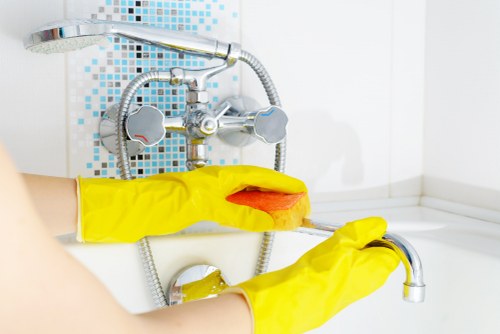
Personal protective equipment, or PPE, must be used when needed. This may include gloves, aprons, eye protection, or non-slip footwear. Equipment should be suitable for the work and maintained in good condition. A professional cleaner should never rely on damaged tools or improvised methods when safer alternatives are available.
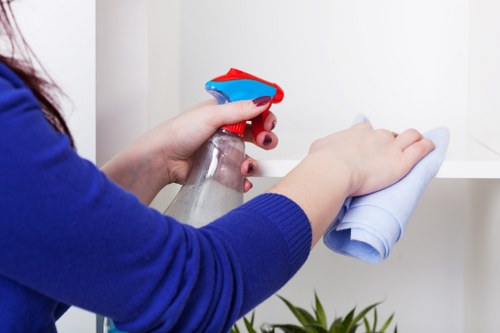 Cleaning chemicals must always be stored, labelled, and used according to instructions. Products should never be mixed unless the manufacturer specifically allows it. Cleaners must be aware of allergies, skin sensitivity, and inhalation risks. Whenever possible, less hazardous products should be chosen to support a safer working environment. Good ventilation is especially important when using stronger materials.
Safe Working Practices
Manual handling is an important part of this policy. Cleaners should use correct lifting techniques, avoid carrying loads that are too heavy, and ask for help when needed. Trolleys and other aids should be used where appropriate to reduce strain and improve control. Repetitive movements should be managed carefully to help prevent fatigue and discomfort.
Electrical safety must also be considered. Equipment should be inspected before use, and any damaged cables, plugs, or sockets must be reported immediately. Water should be kept away from electrical items, and cleaners must avoid overloading sockets. If a machine appears unsafe, it must not be used until checked and approved.
Slips, trips, and falls are among the most common risks in cleaning work. To prevent them, cleaners should place warning signs where floors are wet, keep walkways clear, and store tools and materials neatly. Attention to detail is not only important for appearance; it is essential for safety.
Emergency readiness is part of our policy. Cleaners should know what to do in the event of a fire, chemical spill, accident, or medical issue. Any incident must be reported promptly and recorded accurately. First aid supplies should be accessible where required, and workers should know the correct procedure for seeking help. Quick, calm action can prevent a small problem from becoming a serious one.
We also expect cleaners to maintain good hygiene standards. Hands should be washed regularly, especially after handling waste, chemicals, or contaminated materials. Uniforms and protective clothing should be kept clean, and food or drink should never be consumed in areas where chemicals or cleaning materials are in use. These habits help protect both workers and the spaces they clean.
 Waste must be sorted and disposed of safely. Sharp objects, broken glass, and contaminated items need special care and must not be placed in ordinary waste unless it is appropriate to do so. Cleaners should follow site rules and ensure waste bags are not overfilled or left in unsafe positions. Safe disposal protects staff and reduces hazards for others.
Responsibilities and Reporting
Managers and supervisors are responsible for making sure this policy is understood and applied. They should provide suitable equipment, clear instructions, and access to training. They must also review work practices regularly so that risks are identified and reduced. A safe cleaning service depends on leadership that values prevention and accountability.
Cleaners are responsible for following instructions, using equipment properly, and reporting any hazard, accident, or near miss without delay. If a worker feels unwell, tired, or unable to complete a task safely, they must speak up. Safety should never be sacrificed to save time. Every cleaner has the right and duty to stop work if conditions are unsafe.
Contractors and temporary workers must also comply with this policy. Everyone on site should understand the standards expected, regardless of their role or length of service. Clear communication helps ensure that the same safe practices are followed consistently across all assignments.
We will review this policy regularly to keep it current and effective. Changes in equipment, products, regulations, or working methods may require updates. The goal is to make sure our standards continue to protect people and support reliable service. This ongoing review is part of our commitment to responsible working practices.
Cleaners Catford is committed to delivering cleaning services in a way that is safe, sensible, and well managed. By combining training, planning, correct equipment, and personal responsibility, we create a safer workplace for everyone involved. Safety is not an extra step; it is part of every task.
 In practice, this means choosing caution over shortcuts, reporting concerns early, and maintaining a culture where every cleaner understands the importance of care. With consistent effort and clear standards, health and safety becomes a normal part of excellent cleaning work, supporting trust, efficiency, and long-term quality.