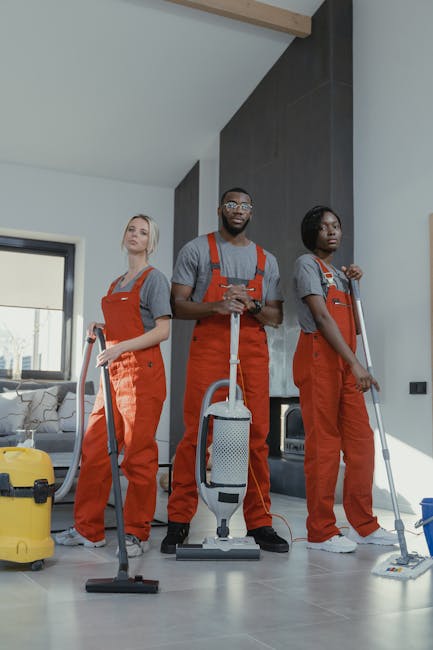
Same day emergency cleaning Catford SE6: fast help when mess, stress, or damage can't wait
If you need Same day emergency cleaning Catford SE6, chances are something has gone wrong at the worst possible time. A leak has spread across the kitchen floor. A tenant has moved out and left the place in a state. There's been an accident, a spill, a smell, or a surprise inspection and now the whole room feels like a problem. That's the kind of moment where quick, calm, practical cleaning support really matters.
This guide explains what emergency cleaning actually means, how same day booking usually works, what to expect on arrival, and how to choose the right help in Catford SE6 without making a rushed decision you later regret. It's written for real life, not ideal life. Because let's face it, emergencies are rarely tidy.
Table of Contents
- Why Same day emergency cleaning Catford SE6 matters
- How same day emergency cleaning Catford SE6 works
- Key benefits and practical advantages
- Who this is for and when it makes sense
- Step-by-step guidance
- Expert tips for better results
- Common mistakes to avoid
- Tools, resources and recommendations
- Law, compliance, standards, or best practice
- Options, methods, or comparison table
- Case study or real-world example
- Practical checklist
- Conclusion
- Frequently asked questions
Why Same day emergency cleaning Catford SE6 matters
Emergency cleaning is about containing a problem before it spreads. That might mean stopping odours from settling in, reducing slip risks, clearing away contamination, or simply restoring a property to a usable state fast. In a busy area like Catford SE6, where homes, flats, rentals and small businesses all run on tight schedules, even a "small" mess can quickly become a bigger disruption.
Think about the practical side. A kitchen flood can make a floor unsafe. A post-party spill can stain carpet fibres if left too long. A missed checkout clean can affect a move-out. An office incident can make staff feel uncomfortable before the day has even started. Same-day support is valuable because timing changes everything.
There's also the emotional side, which people often underplay. When the mess is yours, it can feel oddly personal. You may be embarrassed, rushed, or just worn out. A good emergency cleaner doesn't just bring products and cloths; they bring pace, order and a sensible plan. That calm, steady approach is often the difference between chaos and control.
Key point: the best emergency cleaning is not just fast. It is fast and structured, so the property is made safe, presentable and manageable again.
How Same day emergency cleaning Catford SE6 works
Same day emergency cleaning usually follows a simple pattern, though the exact process depends on the type of incident and how urgent it is. In most cases, you'll be asked to describe the problem clearly, explain the property type, and say how quickly you need someone on site.
A useful provider will want a few practical details before confirming anything: the size of the room or property, whether water, mould, food waste, bodily fluids or debris are involved, whether electricity is safe to use, and whether the cleaner will need parking or access instructions. Not glamorous stuff, but very important stuff.
In many emergency jobs, the first visit is about assessment and immediate control. For example, the cleaner may remove loose contamination, clean and disinfect high-contact areas, lift surface dirt, or focus on the most urgent part of the room first. If the situation is larger, they may recommend a second visit for deeper work. Truth be told, that's often the sensible option rather than pretending everything can be solved in one sweep of the mop.
If the task is linked to a broader property issue, you may also be pointed toward a more specific service such as deep cleaning, one-off cleaning, or after builders cleaning. That depends on what actually happened, not just what sounds urgent.
Key benefits and practical advantages
The obvious benefit is speed, but the real value goes deeper than that. Same-day cleaning can help you protect flooring, furniture, and fixtures from further damage. It can also help you meet landlord, agent, customer, or staff expectations without losing a whole day to clean-up.
- Less damage over time: stains, damp, grease and residue are often easier to deal with quickly.
- Safer space: spills, broken debris, and mess are less likely to cause slips or unpleasant contact.
- Better first impressions: useful for rentals, viewings, customer-facing spaces, and short-notice visits.
- Reduced stress: someone else takes over the practical work while you handle the rest of the day.
- More targeted cleaning: emergency jobs often focus on the exact problem area, which can be more efficient.
There's another quiet benefit: a professional eye notices things you may miss when you're in panic mode. A patch of residue on skirting boards, a hidden stain under furniture, a smell source near a bin area - little things, but little things can become annoyingly big later.
For businesses, the advantage is even clearer. An office spill or washroom issue can affect morale and confidence in a matter of minutes. A prompt response can stop awkwardness spreading through the whole workplace. Nobody wants that Tuesday afternoon energy, if you know what I mean.
Who this is for and when it makes sense
Same-day emergency cleaning is not only for dramatic disasters. It is for anyone who needs a property recovered fast, safely, and with as little disruption as possible.
You may need it if you are:
- a tenant or landlord dealing with last-minute move-out mess
- a homeowner with a spill, leak, smoke residue, or sudden guest visit
- a business owner needing a fast reset before opening or after an incident
- a letting agent preparing a property for viewing or check-in
- someone dealing with post-event clean-up after a busy weekend
- anyone who simply does not have the time, tools, or energy to tackle the issue alone
It makes sense when the mess is time-sensitive, when there's a hygiene concern, or when you need to restore normal use quickly. For example, if you've got a carpet spill before an evening booking, waiting until tomorrow may be too late. If a kitchen needs sorting before family arrives, delay can turn a manageable job into a much bigger one.
Sometimes the question is not "can this wait?" but "what gets worse if I do wait?" That's the one worth asking.
Step-by-step guidance
If you want the best result from a same-day callout, a little preparation helps a lot. Here's a straightforward approach that keeps things moving.
- Identify the main issue. Is it a spill, odour, flood residue, dust, grime, or a general end-of-day disaster? Be specific if you can.
- Make the area as safe as possible. If water is involved, keep clear of electrics. If there's broken glass or sharp debris, do not rush in barefoot. Common sense, but worth saying.
- Photograph the problem. This can help when describing the job and can reduce confusion if the issue is spread across multiple rooms.
- Explain access clearly. Let the cleaner know about entry codes, parking restrictions, stairs, lifts, pets, or any awkward access issues.
- Ask what is included. A good cleaner should explain whether the job is a surface clean, a focused sanitising job, or a more intensive tidy-up.
- Confirm the timeline. Same-day does not always mean instant. It often means prioritised scheduling, so ask for a realistic arrival window.
- Prepare the room. If safe to do so, move small personal items away from the affected area before the cleaner arrives.
- Review the result before closing out. A quick walk-through can catch missed edges, damp patches, or stubborn spots while the cleaner is still there.
If the job is likely to involve carpets, upholstery, or hard floors, you may also want to point the team toward the relevant service. For example, a soaked lounge carpet might need carpet cleaning, while a stained sofa could be better handled through sofa cleaning or upholstery cleaning. Matching the method to the material matters more than people sometimes realise.
Expert tips for better results
In our experience, the best emergency clean-ups are usually the ones where the right information is shared early. Not everything needs to be explained in forensic detail, but the basics do matter.
Here are a few practical tips that save time and improve the outcome:
- Blot, don't scrub, if you are handling a liquid spill before help arrives. Scrubbing can push the mess deeper into fibres.
- Keep the affected area contained. If possible, close doors and reduce foot traffic so the mess does not get tracked around.
- Be honest about the severity. A "small stain" that has been sitting there for three days is not really small anymore.
- Ask about product suitability. Different surfaces need different treatment, especially with wood, stone, laminate, carpet and upholstery.
- Prioritise hygiene hotspots. Toilets, kitchens, bins, handles and sink areas usually need attention first.
One more thing: if there's any chance the issue involves mould, sewage, bodily fluids, or contaminated waste, say so plainly. That is not oversharing; it is useful information. It also helps the cleaner bring the right protective gear and decide whether the job is suitable for same-day attendance.
And if you're dealing with post-renovation dust, don't underestimate how far it travels. It gets into vents, behind radiators, and into places you wouldn't think to look. Dust is sneaky like that.
Common mistakes to avoid
When people are under pressure, the same few mistakes crop up again and again. Avoiding them can make the whole process cheaper, quicker and safer.
- Waiting too long to act. A stain or damp patch that seems minor now may be much harder to remove later.
- Booking only on price. The cheapest same-day option is not always the one that understands the job properly.
- Not checking what the cleaner will actually do. "Emergency clean" can mean different things to different providers.
- Using the wrong product at home first. Strong chemicals can set stains or damage delicate finishes.
- Failing to mention access problems. A cleaner stuck outside the building is nobody's friend at 6 p.m.
- Assuming deep cleaning is always needed. Sometimes a targeted same-day response is enough; sometimes it isn't.
There is also a quieter mistake: expecting perfection from an emergency visit. Sometimes the first priority is to make the place safe and presentable, then come back for the finer details. That is not failure. That is good sequencing.
Tools, resources and recommendations
You do not need a cupboard full of professional gear to handle the first few minutes of an emergency, but a sensible basic kit helps. For a homeowner or small business, the aim is containment before the cleaners arrive.
- clean microfibre cloths
- paper towels or absorbent disposable towels
- a bucket or bowl for controlled rinsing
- rubber gloves
- a torch for checking under furniture or along skirting edges
- bin bags for safe waste removal
- access details, entry codes, or parking notes written clearly
If you are looking at a wider property reset, a provider may also suggest domestic cleaning for ongoing home support, house cleaning for a full property refresh, or office cleaning if the issue is commercial. These are not interchangeable, by the way. A hallway spill and a post-renovation flat need very different handling.
For specialist surfaces, the most useful services are often the simplest to describe: carpets, rugs, windows, ovens, hard floors and upholstery all need the right method. If the emergency has left a greasy oven cavity, for instance, oven cleaning or a focused oven cleaner service may be far more appropriate than a general wipe-down.
Law, compliance, standards, or best practice
Emergency cleaning often intersects with safety, waste handling, tenancy expectations and workplace duty of care. Without getting overly legal about it, the basic rule is simple: the property should be made safe, and the work should be carried out responsibly.
For homes and rentals, that means avoiding damage, using suitable products, and handling waste carefully. For businesses, it means reducing slip risks, keeping shared spaces hygienic, and responding appropriately if staff or customers could be affected. If the job involves hazardous residues, blood, or contaminated materials, more care is needed and not every cleaning task is suitable for a standard same-day visit.
It is also good practice to choose a cleaning provider that is clear about its service terms, insurance, and payment handling. Pages such as insurance and safety, health and safety policy, payment and security, and terms and conditions are useful trust signals because they show the business is thinking beyond the immediate job.
Best practice also includes respecting the customer's space. That sounds obvious, but in a rushed job it matters: protect flooring where needed, avoid spreading the problem, and communicate clearly about what has been cleaned and what still needs attention. Simple, but not always simple in the real world.
Options, methods, or comparison table
Not every emergency needs the same response. A practical way to decide is to match the method to the problem rather than forcing one catch-all solution.
| Situation | Best approach | Why it works |
|---|---|---|
| Fresh spill on carpet | Targeted stain treatment and extraction | Stops the stain setting and reduces fibre damage |
| Post-party kitchen mess | Focused surface, bin, sink and floor clean | Restores hygiene quickly without overdoing the whole property |
| End-of-tenancy last-minute issue | Detailed one-off or end of tenancy clean | Helps present the property properly for inspection or handover |
| Dust after building works | Specialist after-builders clean | Deals with fine dust, residue and awkward finishing touches |
| Commercial spill or customer area problem | Fast office or one-off clean | Minimises disruption to staff and visitors |
If you are unsure which route fits, start with the problem, not the property type. That is usually the quickest way to make a smart call. A lounge can need carpet cleaning today and upholstery cleaning tomorrow. Same room, different priorities.
Case study or real-world example
Here's a realistic scenario. A Catford tenant is due to hand back keys the same afternoon, but the kitchen has grease buildup, the bathroom needs a proper reset, and there's a stubborn mark on the hallway carpet from moving boxes. They are not looking for a luxury clean. They need the place to look respectable, feel hygienic, and pass a sensible walk-through.
A same-day cleaner would usually start with the visible problem areas: kitchen surfaces, sink, hob, bathroom touchpoints, and the carpet mark. If the floor is sticky or dusty, that gets handled early too, because crumbs and grit move everywhere once people start walking through the property. After that, the cleaner checks edges, handles, light switches and those annoying forgotten corners by the skirting board.
The useful part is not just the scrubbing. It is the order. First safe. Then presentable. Then detailed. That sequence can turn a panicked afternoon into a manageable one. Not perfect, perhaps, but workable. And sometimes workable is exactly what you need.
In a commercial setting, the same pattern applies. A small office spill near a reception desk may look minor, but if visitors are expected shortly, the goal is to remove the visual mess, neutralise the area, and make the room feel normal again. It's amazing how quickly a space feels different once the floor is clean and the smell is gone.
Practical checklist
Use this simple checklist before and during your same-day emergency clean.
- Identify the main issue and where it started.
- Make the area safe to approach.
- Take quick photos if useful.
- Note the type of surface affected.
- Clear access details, parking notes, and entry instructions.
- Tell the cleaner about any odours, stains, damp, debris, or contamination.
- Ask what is included in the visit.
- Confirm the expected arrival window.
- Keep pets, children, or staff away from the area during work if needed.
- Walk through the result before the job is signed off.
Expert summary: the best emergency cleans are fast, but they are also calm, specific and honest about what can be done today versus what may need a second pass. That is the real win.
For trusted background reading on the business itself, you can also review the about us page, the cleaning company overview, and the pricing and quotes information when you are ready to compare options sensibly.
Conclusion
Same-day emergency cleaning in Catford SE6 is about restoring control when time is tight and the mess is not waiting politely in the corner. Whether you are dealing with a spill, a last-minute move-out, a business interruption, or a stressful household accident, the right response is fast, practical and properly planned.
Start with safety. Describe the issue clearly. Match the cleaning method to the problem. And don't be shy about asking what is included. A good emergency clean should leave you with a space that feels usable again, not just less embarrassing for the moment.
Get a free quote today and see how much you can save.
And if today has been a bit much, that's okay. The mess can be dealt with. One step at a time, that's usually how it starts.
Frequently Asked Questions
What counts as same day emergency cleaning in Catford SE6?
It usually means a cleaning job that is prioritised for attendance on the same day you contact the provider. It could be a spill, damage control, move-out clean, or a hygiene issue that cannot reasonably wait.
How quickly can an emergency cleaner arrive?
That depends on schedule, job type, access, and how far the team is already booked. Same-day does not always mean instant, so ask for a realistic arrival window rather than assuming a fixed time.
Is same day cleaning more expensive?
It can be, because urgent scheduling often requires quicker allocation of time and resources. The final cost usually depends on the size of the job, the level of cleaning needed, and any specialist treatment involved.
Can emergency cleaning remove stains from carpets?
Sometimes, yes. Fresh stains are usually easier to treat than old ones. The outcome depends on the stain type, the carpet fibre, and whether any previous DIY product has already been used.
Do I need to provide cleaning products or equipment?
Usually not. A professional cleaner will normally bring what is needed for the job. If a particular surface is delicate, it helps to mention that in advance so suitable products can be used.
What if the mess is caused by water or a leak?
Make the area safe first and avoid electrical hazards. Then describe the issue clearly when booking. If there is significant water damage, the cleaner may focus on immediate clean-up and advise whether more work is needed later.
Is same day emergency cleaning suitable for end-of-tenancy problems?
Yes, if the issue is time-sensitive and the property needs to be brought back to a presentable standard quickly. For larger jobs, a targeted one-off clean or end of tenancy clean may be more suitable.
Can businesses in Catford SE6 book same day cleaning too?
Absolutely. Offices, retail spaces, reception areas and shared buildings often need fast support after spills, accidents, or unexpected visitor pressure. A quick response can prevent a small issue from affecting the whole day.
What should I tell the cleaner before they arrive?
Share the problem type, affected rooms, surface materials, access details, parking notes, and any risks such as broken glass, moisture, odour or contamination. The more accurate the detail, the better the response.
Should I choose deep cleaning or emergency cleaning?
It depends on the situation. Emergency cleaning is about fast control and immediate recovery. Deep cleaning is broader and more detailed. If you're not sure, explain the problem and ask which option fits best.
How do I know if a cleaning company is trustworthy?
Look for clear service information, sensible policies, transparent pricing guidance, and proper explanations of what the job includes. Pages like insurance, health and safety, and terms and conditions can help you judge that before booking.
What if I only need one room cleaned urgently?
That is very common. Same-day cleaning does not need to be a whole-house job. A focused clean of one room, one spill, or one high-priority area is often the smartest way to handle an emergency.